
Resources
Choosing the Right Digital Marketing Strategy: Boost Your Success
Digital marketing is essential for business growth in today’s digital age. But how do you choose the right strategy? Every business needs a tailored digital marketing plan to succeed. With countless options available, it’s easy to feel overwhelmed. A solid strategy can boost your online presence, attract customers, and increase sales. But selecting the right […]

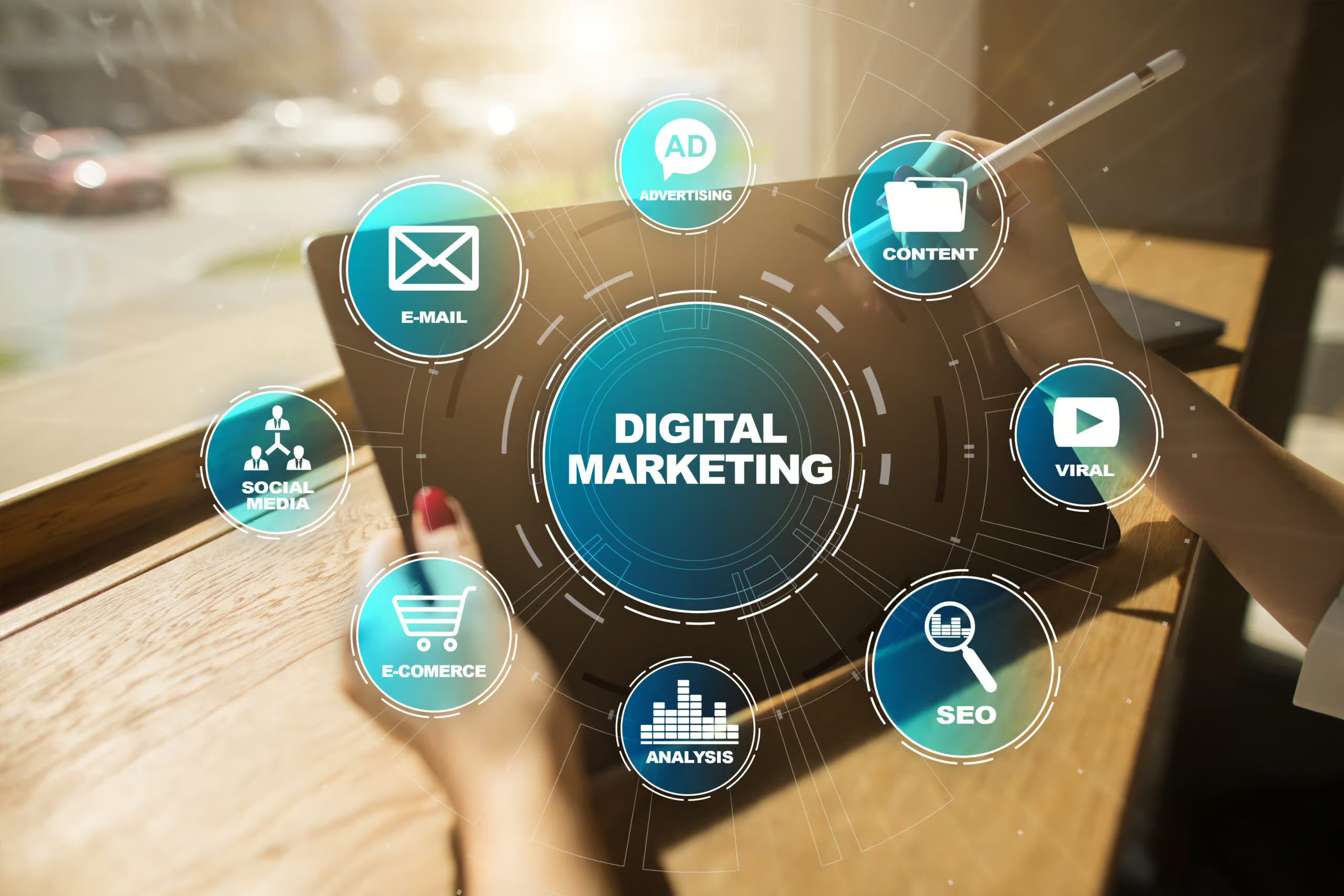
Marketing strategy
Pick the strategy that fits your audience, budget, and growth target.
Digital marketing works best when channels are selected around a clear goal. The right mix can improve visibility, attract better-fit customers, and turn campaign activity into measurable sales opportunities.
Why it matters
Marketing strategy is how you focus the work
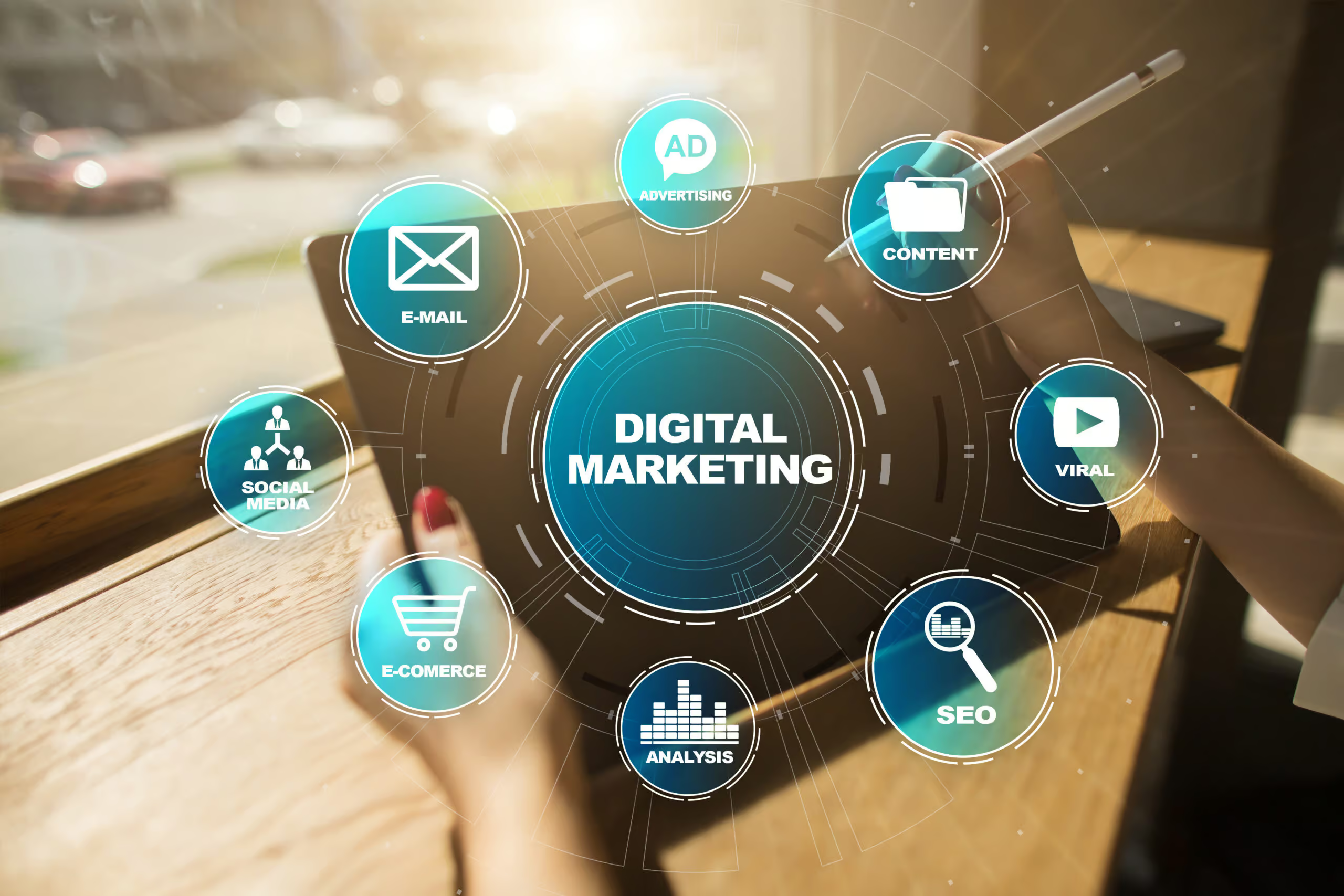
Reach the right audience
Use search, social, email, and content channels to meet customers where they already spend attention.
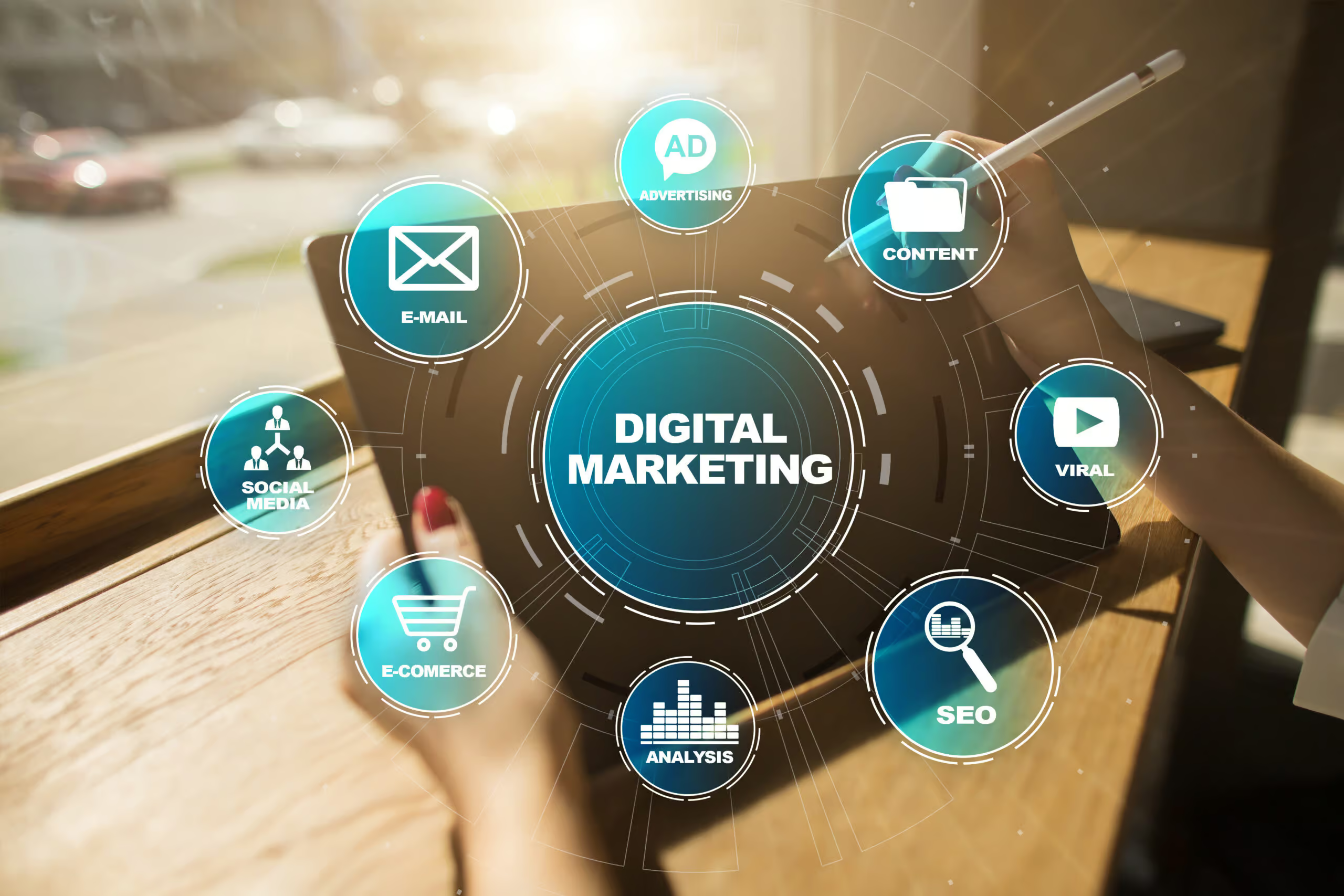
Turn interest into action
Align messaging, landing pages, offers, and follow-up so every channel supports a clear conversion path.
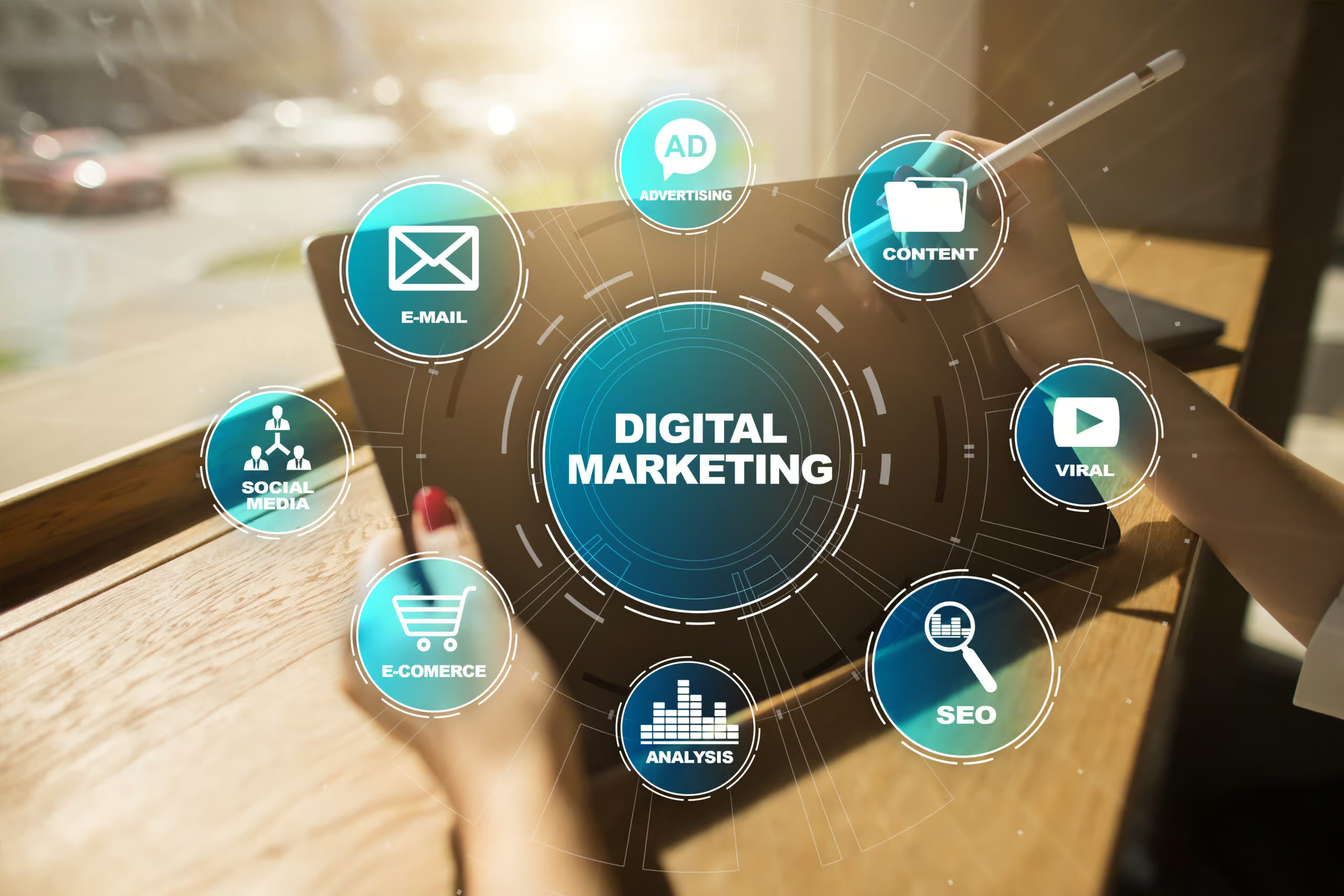
Measure what works
Track traffic, leads, sales, engagement, and return on spend so the strategy improves with evidence.
Channel mix
Choose channels by role, not trend
SEO
Best for sustainable visibility, service pages, local search, and content that answers buyer intent.

PPC and paid social
Best for faster demand capture, retargeting, launch campaigns, testing offers, and reaching specific audiences.

Social media
Best for brand visibility, community engagement, proof, creative testing, and repeat audience touchpoints.

Email marketing
Best for lead nurture, promotions, retention, reactivation, and personalized follow-up after initial interest.
Strategy filter
Start with audience, budget, and objective.
A good strategy does not use every channel at once. It chooses the channels most likely to reach your customer, fit the available budget, and support the next business milestone.
Planning
Set goals before selecting tactics

Short-term objectives
Use near-term targets like more website traffic, booked consults, lead volume, social engagement, or campaign tests.

Long-term vision
Connect campaigns to brand growth, market expansion, higher annual revenue, or a stronger owned audience.

Budget discipline
Plan cost-effective channels first, then use ROI and attribution data to decide where to increase spend.
Audience research
Know who you are trying to move

Demographics
Clarify age, location, income, industry, role, and customer type so messages feel relevant instead of generic.

Behavioral insights
Use site behavior, purchase history, content engagement, and social signals to shape targeting and follow-up.

Customer personas
Turn research into practical buyer profiles that guide offers, creative, channel choice, and landing page content.
Measurement
Track the numbers that guide decisions
Conversion rate
Measure how many visitors take the action the campaign was designed to create.
Customer acquisition cost
Know what it costs to turn a prospect into a customer through each channel.
Return on spend
Compare revenue and pipeline signal against the cost of advertising and content work.
Engagement
Watch clicks, shares, replies, follows, email opens, and content behavior for early signal.
Adaptation
Improve the strategy as the market changes

Respond to trends
Monitor search behavior, social conversations, competitor activity, and platform changes before campaigns go stale.

Review performance
Use analytics to identify what is working, what is wasting budget, and what should be tested next.

Keep optimizing
Refine SEO, creative, landing pages, email flows, offers, and targeting so results compound over time.
Frequently asked questions
Digital marketing strategy questions
What is a digital marketing strategy?
It is a plan for using online channels such as SEO, paid ads, social media, email, and content to reach measurable business goals.
How do I choose the right one?
Start with goals, audience, budget, and current performance. Then pick the channels most likely to create qualified demand.
Why is SEO important?
SEO improves search visibility and helps customers find your services when they are actively looking for a solution.
Where does social media fit?
Social media helps build awareness, engagement, proof, and repeat contact with people who may buy later.
Build a strategy that can be measured and improved.
Micromarketing can help define your audience, choose the right channels, connect tracking, and improve campaigns based on real performance data.
Explore Digital Marketing